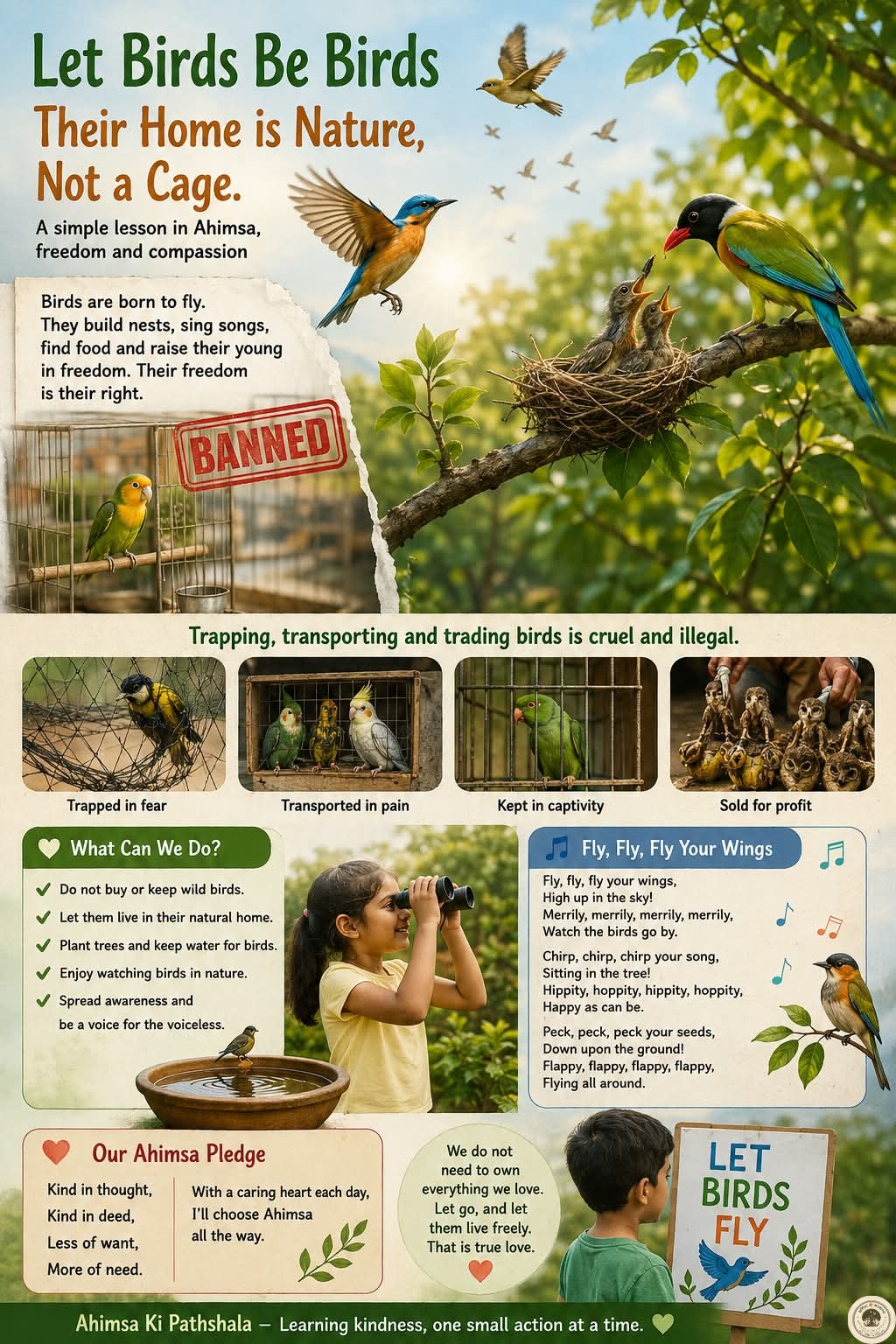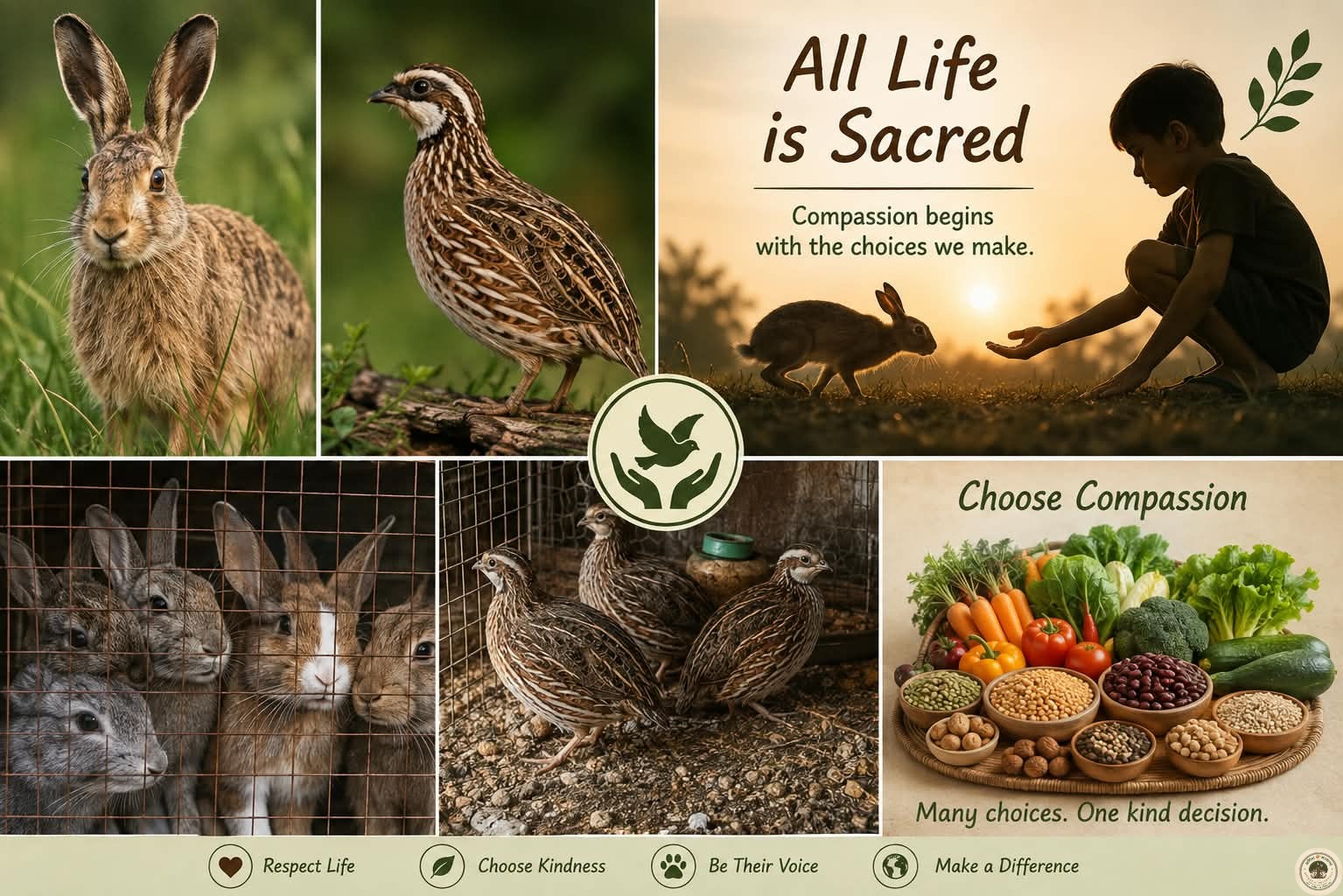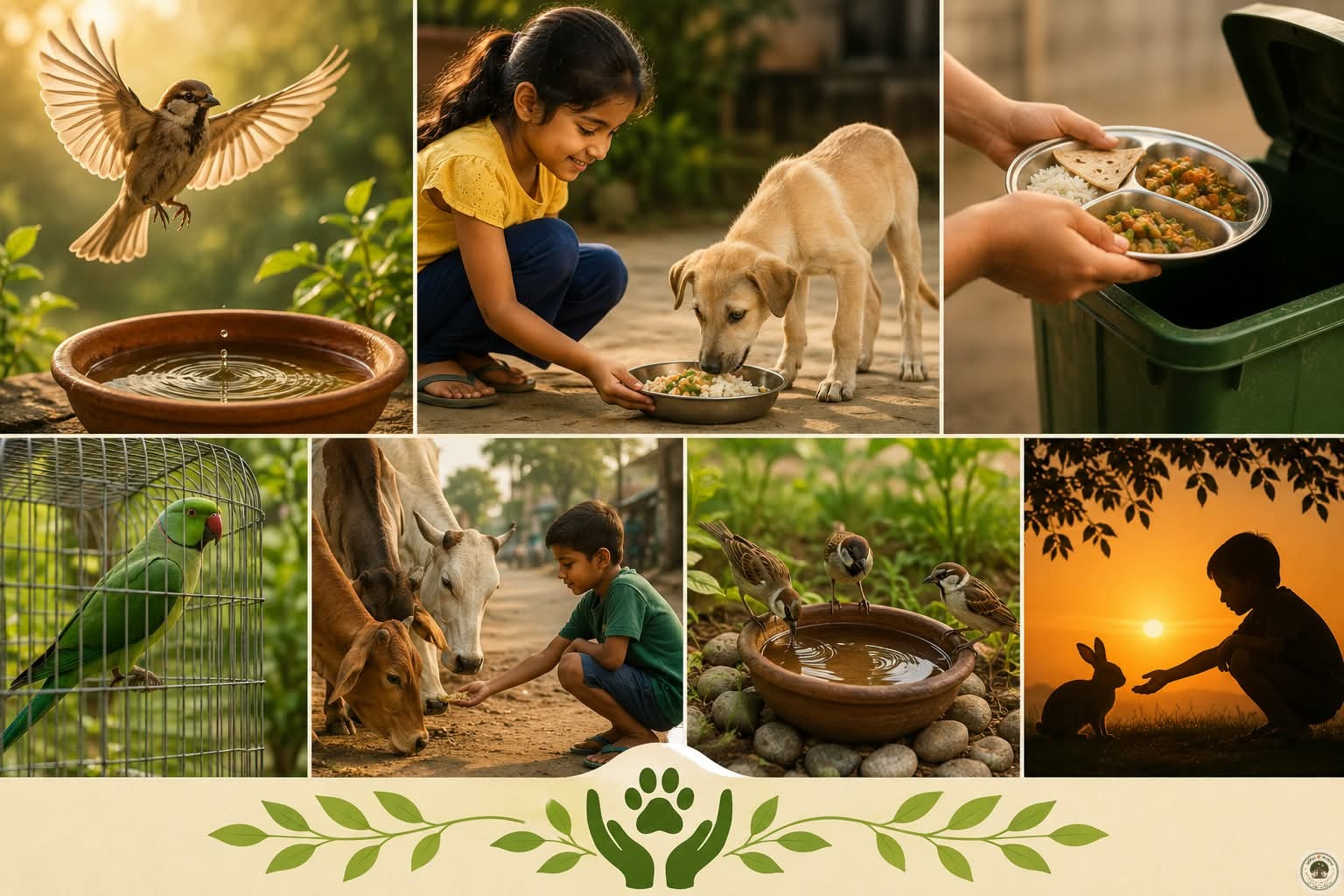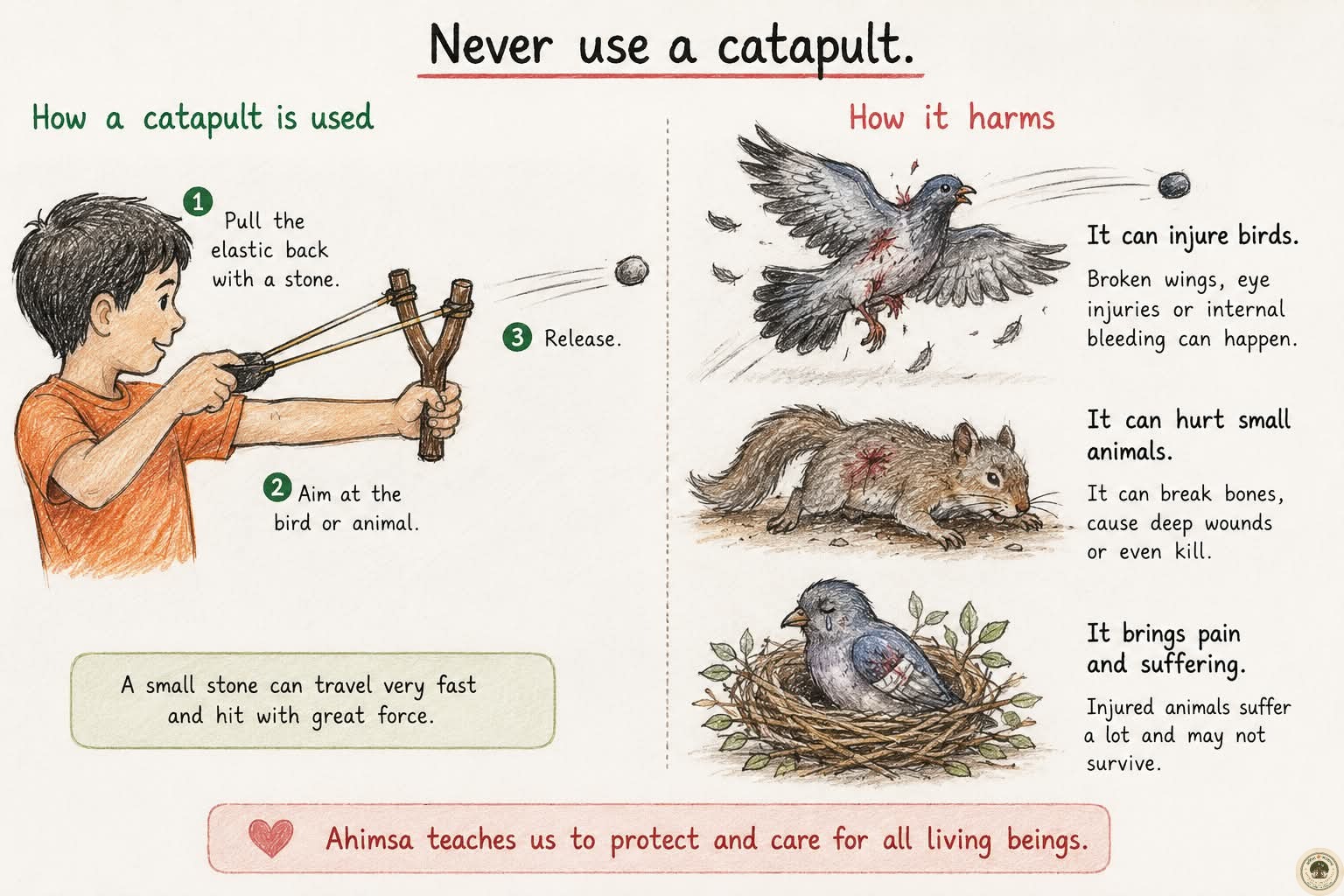
Our spiritual practices are often meant to bring peace, devotion and compassion into our lives. But have we ever stopped to think about the ingredients in the products we use for prayer and worship?
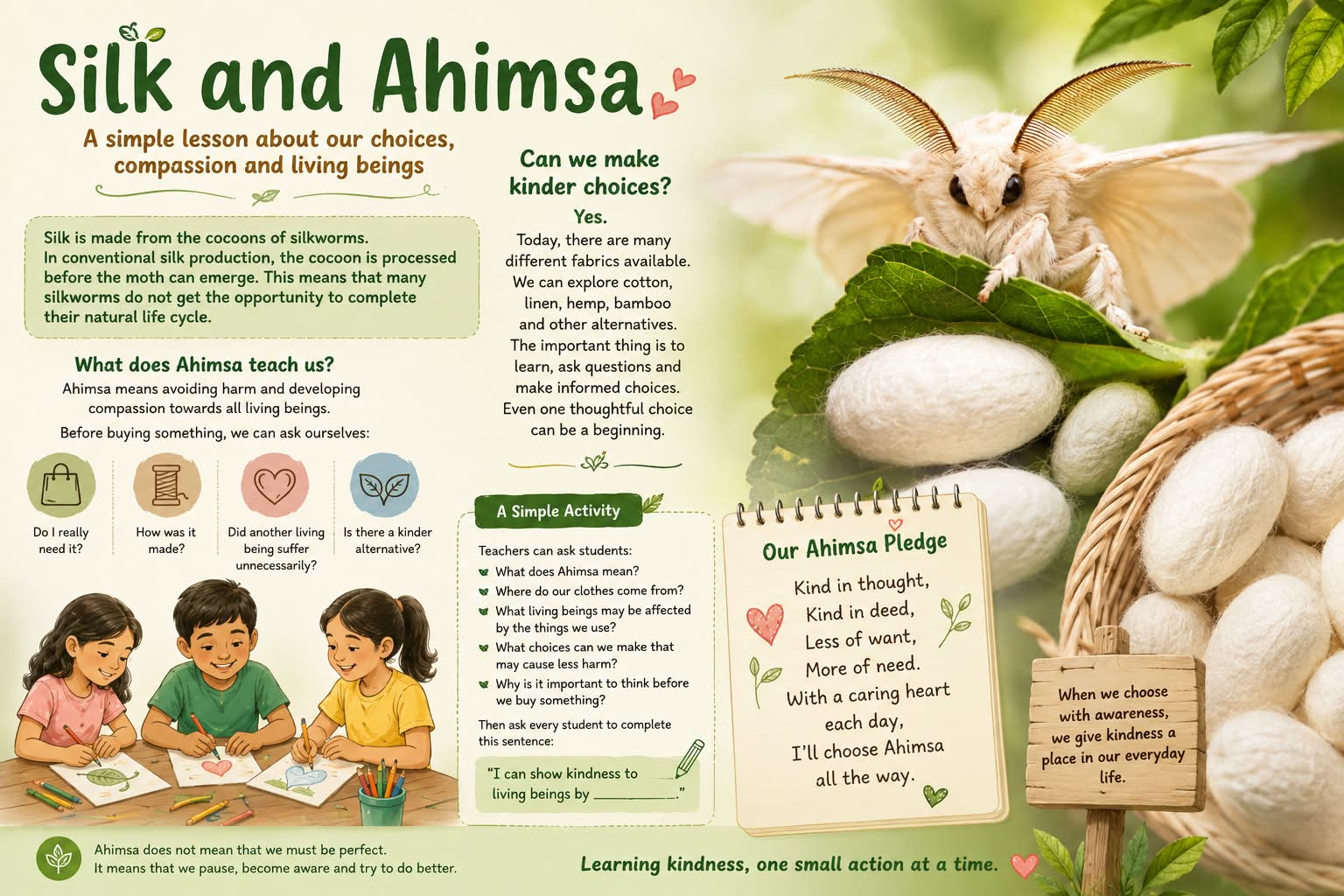
Something as ordinary as an agarbatti, dhoop or incense product may contain ingredients that we may not expect. If we wish to make our worship more aligned with Ahimsa, it is worth becoming aware of what we are using.
🌿 Check Before You Light
Some incense and dhoop products may contain animal-derived substances. This is why checking the packaging and looking for a clear vegetarian symbol can be a useful habit.
We often check food labels, but we can also learn to check the labels of products used in our homes and places of worship.
A simple habit is:
Pause. Check. Choose.
If a suitable vegetarian or animal-free alternative is available, choosing it can help us practise our values in a simple, practical way.
We do not have to assume that every incense product contains animal ingredients. The important thing is to check rather than guess.
🪷 Can Worship Begin With Harm?
There is a deeper question behind this choice.
If our prayer is about peace, gratitude, purity and compassion, can we make our worship more meaningful by ensuring that the products we use do not involve unnecessary harm?
Ahimsa invites us to look at the connection between our beliefs and our actions.
Our prayers may be spoken in a few minutes, but the choices behind those prayers can reflect our values throughout the day.
A peaceful prayer deserves a peaceful intention.
We can choose incense made from clearly identified plant-based or other suitable ingredients, according to our personal practices and traditions.
—
🕊️ Killing Can Never Be Called a Sacrifice
The second message raises an even deeper question:
Can taking the life of an animal or bird truly be called a sacrifice?
The word sacrifice is often associated with devotion, offering and surrender. But when the offering requires another living being to experience fear, pain or death, we can pause and reflect.
Animals are living beings, just like us. They can feel fear, pain, loneliness and stress, just as we can.
They seek safety.
They experience suffering.
They value their lives.
From the perspective of Ahimsa, respect for life is itself a spiritual virtue.
❤️ Compassion Is a Form of Devotion
We can express our faith and gratitude without taking the life of another being.
A flower, a fruit, a lamp, a prayer, a kind thought, service to others or an act of compassion can all become meaningful expressions of devotion.
The most beautiful offering may not be something placed on an altar.
It may be the decision not to cause suffering when we have a choice.
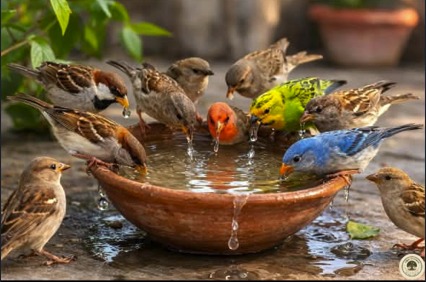
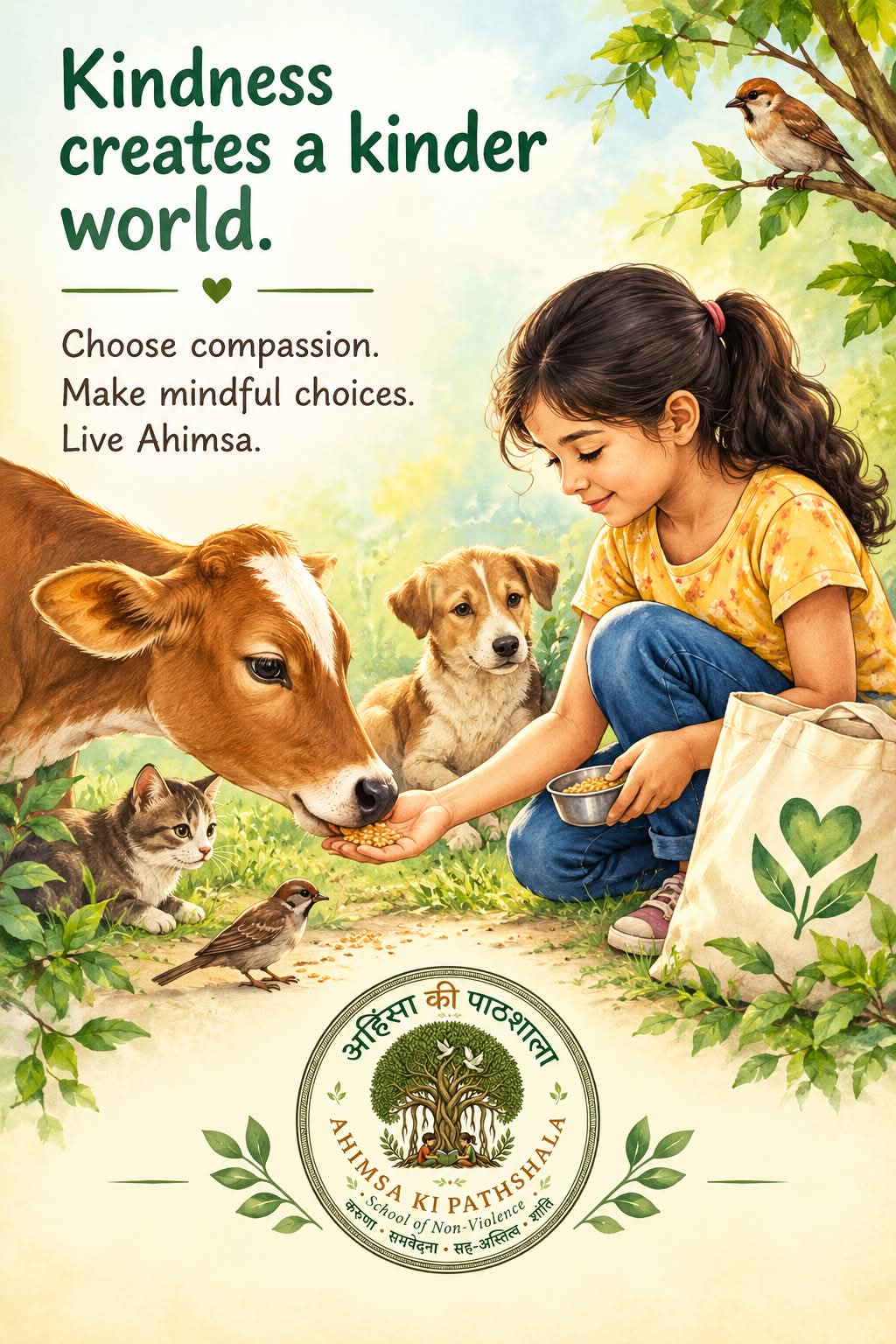
When we protect a bird, feed a hungry animal safely, give water to a thirsty being or simply leave an animal in peace, we turn compassion into action.
🌱 Let Our Spirituality Include All Life
Children can learn an important lesson from this:
Spirituality is not only what we pray.
It is also how we live.
Teachers and parents can ask:
What does Ahimsa mean to me?
Do the products I use for worship contain animal-derived ingredients?
Can I choose an alternative?
Can devotion and compassion go together?
How can I show respect for life in my everyday actions?
These questions encourage understanding rather than fear or judgment.
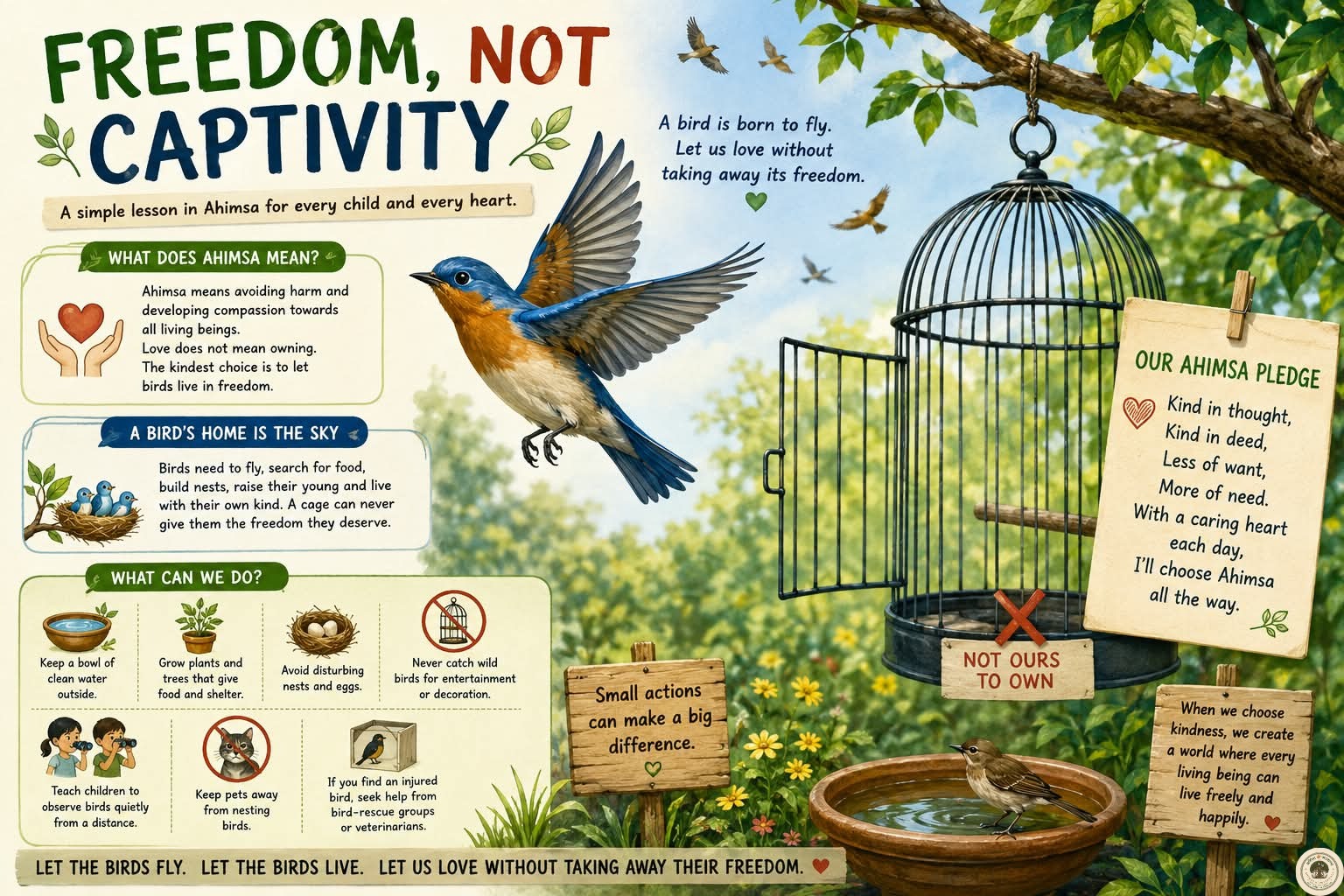
🪔 A Simple Ahimsa Pledge
May my prayers bring peace,
May my choices cause no pain.
May I respect every living being,
Again and again.
Let our homes be places of prayer, but also places of kindness.
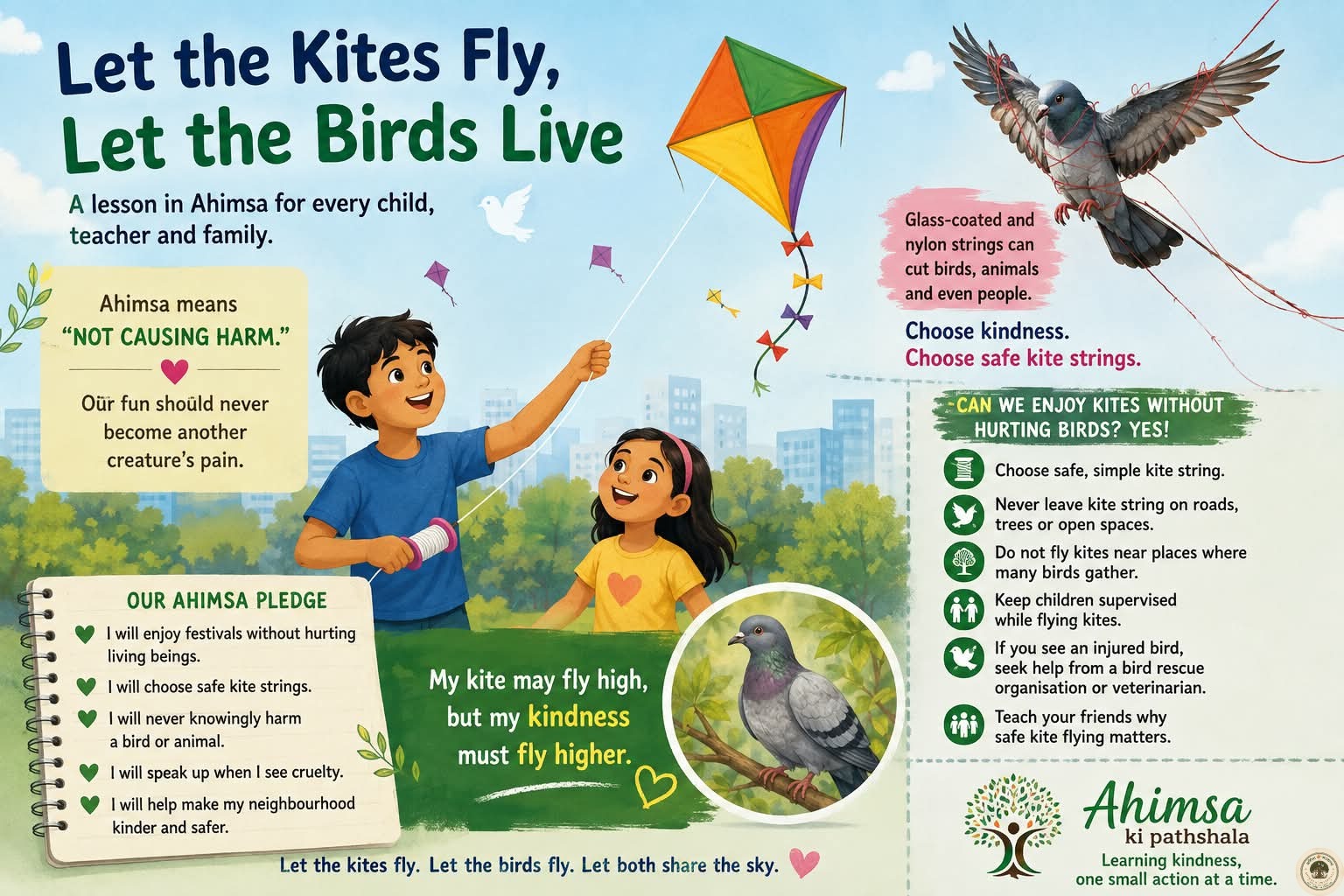
Let our festivals be joyful without causing suffering.
Let our spiritual practices remind us that every living being has a desire to live.
❤️ Ahimsa begins when compassion becomes a part of our choices.
Pray with love.
Choose with awareness.
Respect every life.
Ahimsa Ki Pathshala
Learning kindness, one small action at a time.