A simple lesson in Ahimsa for children, teachers, families and everyone
Have you ever seen a beautiful bird inside a small cage?
Perhaps the bird is colourful. Perhaps it sings beautifully. We may enjoy looking at it and listening to its song. But have we ever stopped to ask:
“Is this where the bird really wants to be?”
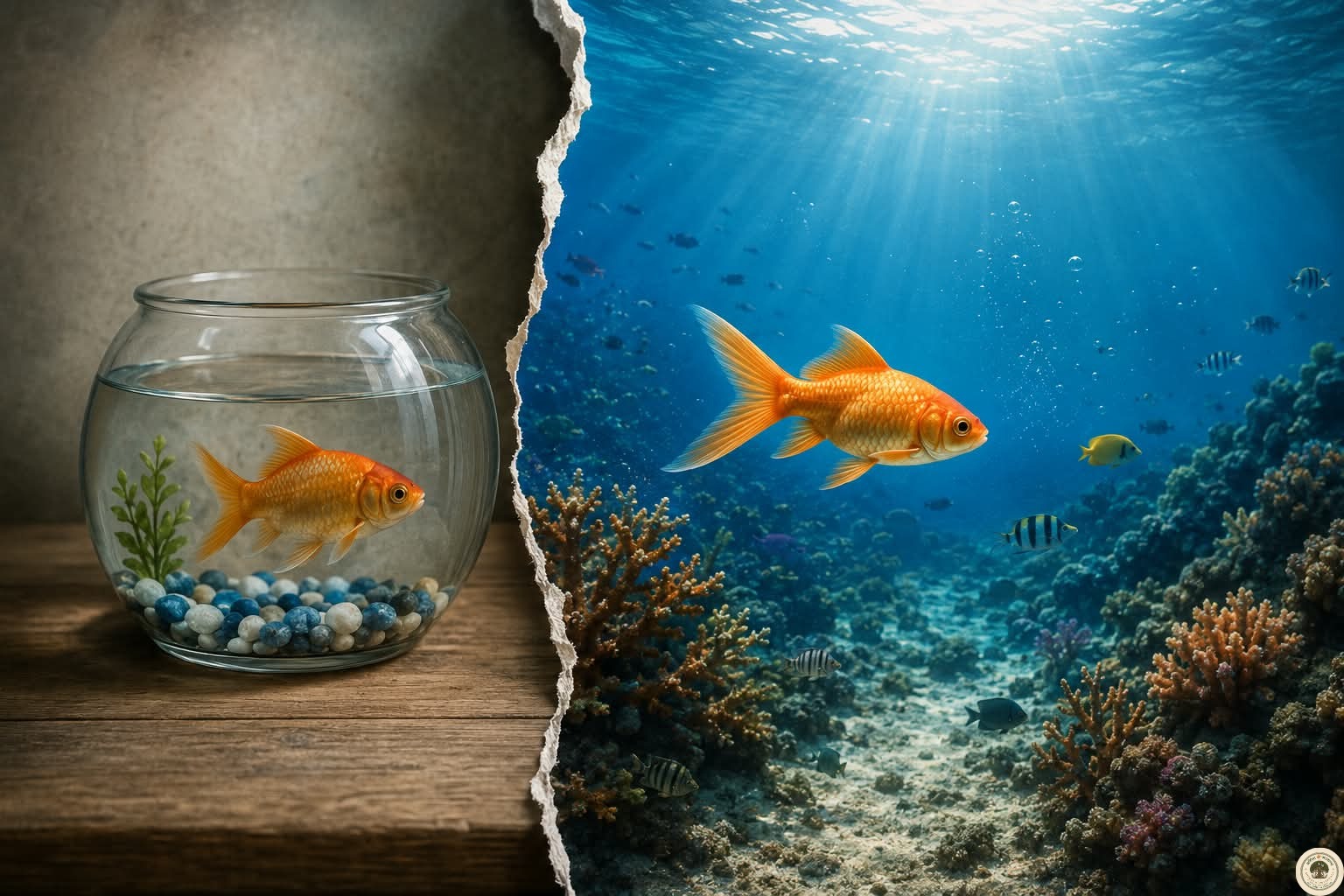
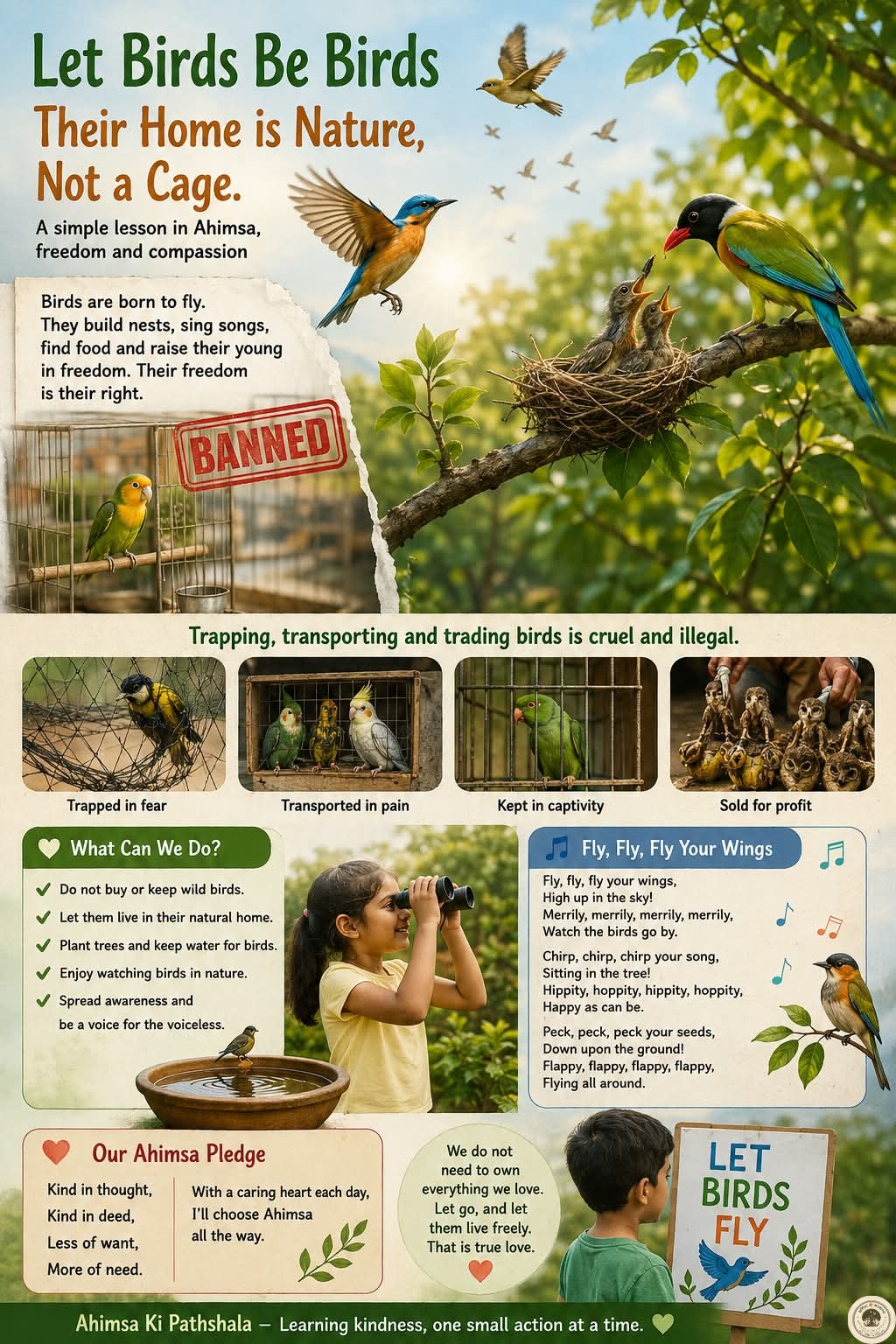
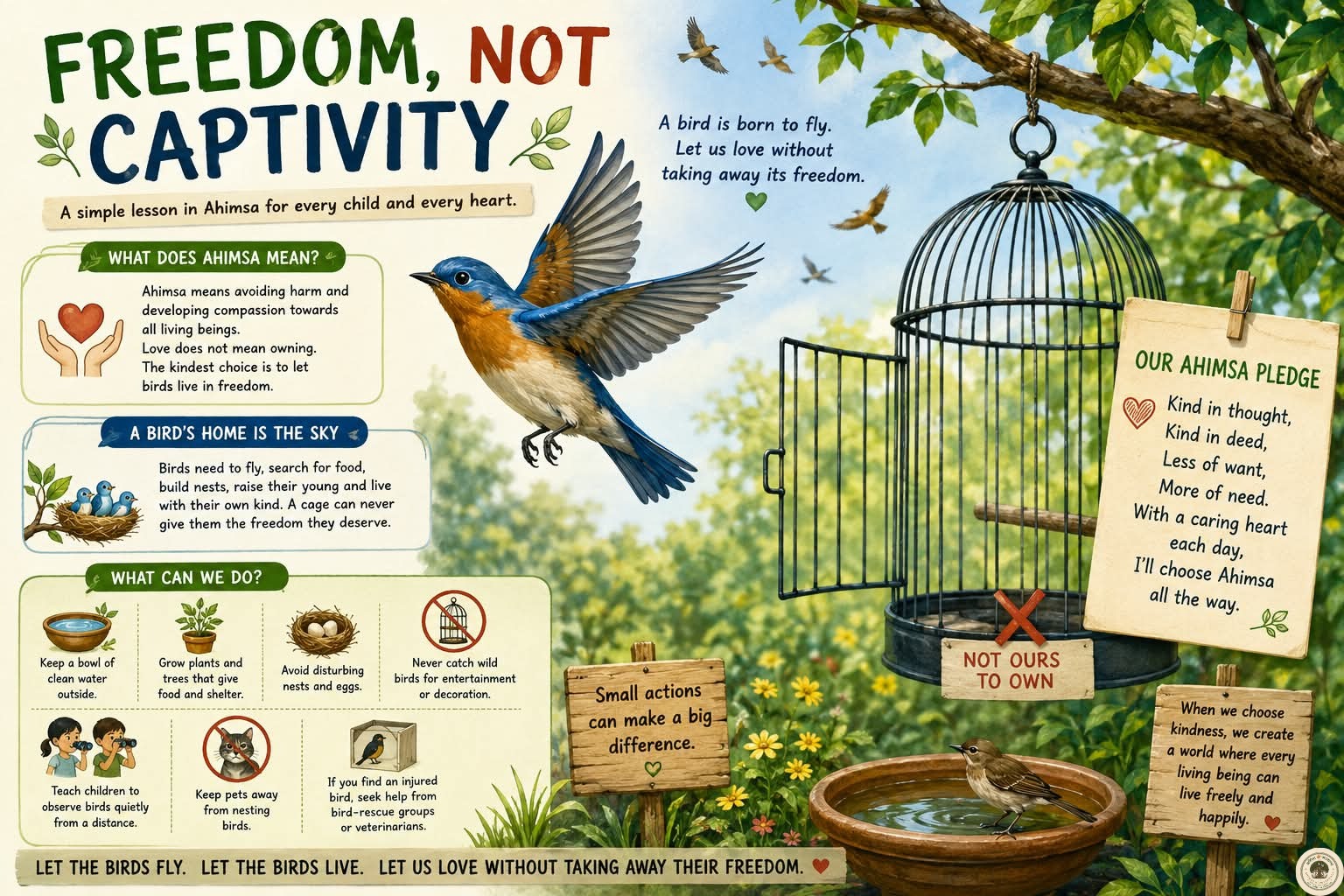
A bird is born to fly. It needs the open sky, sunlight, fresh air, trees, food, water and the company of other birds. A cage may look comfortable to us, but it cannot give a bird the freedom that nature gives it.
This brings us to an important lesson in Ahimsa.
🌱 What does Ahimsa mean?
Ahimsa means avoiding harm and developing compassion towards all living beings.
Animals and birds may be different from us, but they are living beings, just like us. They have their own needs, natural behaviour and way of life.
When we keep a bird in a cage simply because we like having it around, we should pause and think:
What does the bird need—not what do I want?
This small change in thinking can teach us a lot about compassion.
🕊️ A bird’s home is the sky
Imagine being able to walk only a few steps every day.
Imagine seeing the sky but never being able to fly.
Imagine hearing other birds calling but not being able to join them.
For a bird, freedom is not a luxury. Freedom is part of its natural life.
Birds need to fly to exercise their wings, search for food, find shelter, communicate with one another and live as nature intended.
When we take away that freedom, we also take away many natural experiences that are important to the bird.
❤️ Love does not always mean keeping
Sometimes, people keep birds because they love them.
But loving an animal does not necessarily mean owning it.
Sometimes the kindest thing we can do is to admire a bird without possessing it.
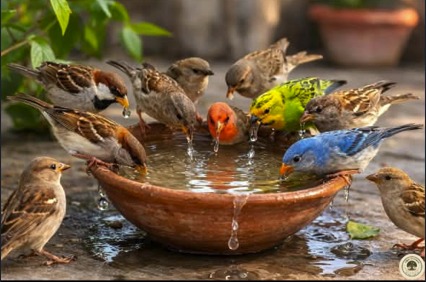
We can watch birds in gardens, balconies, parks and forests. We can put out clean water, grow plants that attract birds and create safe spaces where they can visit freely.
We can enjoy their presence without taking away their freedom.
That is a beautiful expression of Ahimsa.
🌳 What can we do?
There are many simple ways to help birds:
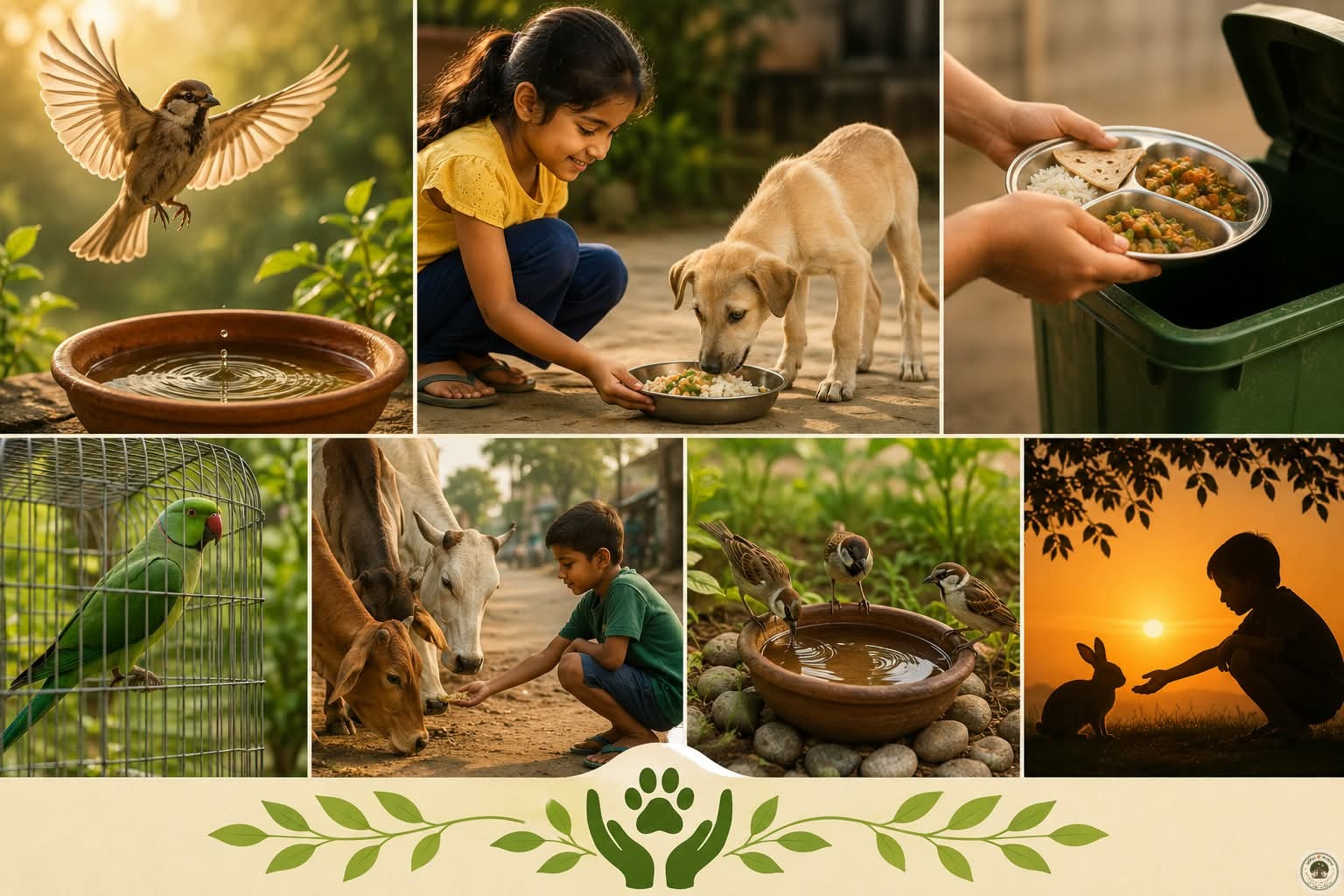
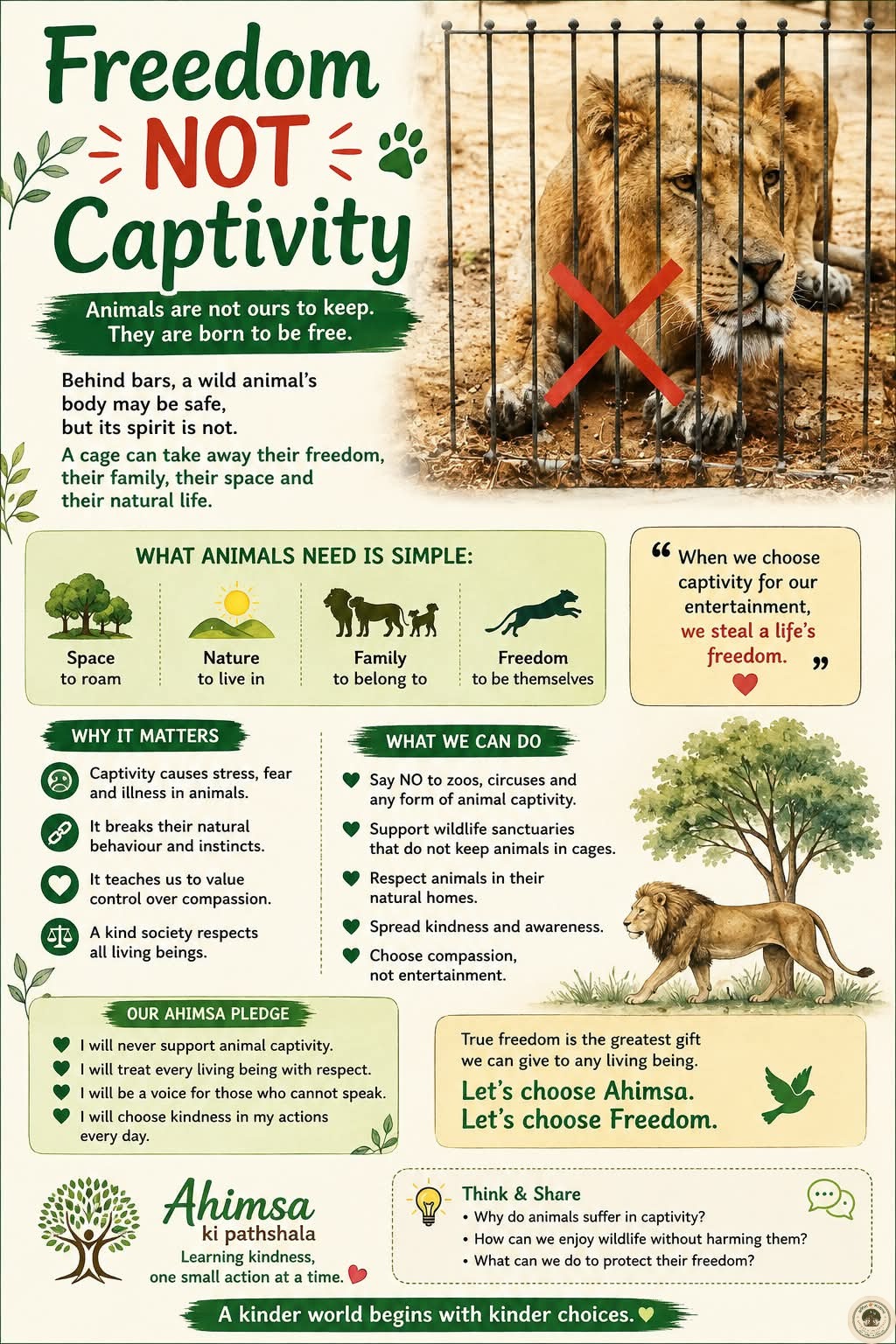
Keep a bowl of clean drinking water outside, especially during hot weather.
Grow plants and trees that provide food and shelter.
Avoid disturbing nests and eggs.
Never catch wild birds for entertainment or decoration.
Teach children to observe birds quietly from a respectful distance.
Keep cats and other pets from disturbing nesting birds.
If you find an injured or helpless bird, ask an adult and contact a local bird-rescue organisation or veterinarian for help.
Small actions can make our surroundings safer for birds.
🏫 A Simple Ahimsa Ki Pathshala Activity
Teachers can ask students:
“What would you miss most if you could never leave one small room?”
Then discuss:
Why do birds need to fly?
What does freedom mean to us?
Do animals need the same things we need?
How can we enjoy watching birds without hurting or trapping them?
What can our school or home do to make life safer for birds?
Ask every child to draw a picture of a bird flying freely in nature and write one sentence:
“I can help birds by ____.”
This simple activity can turn an idea into an action.
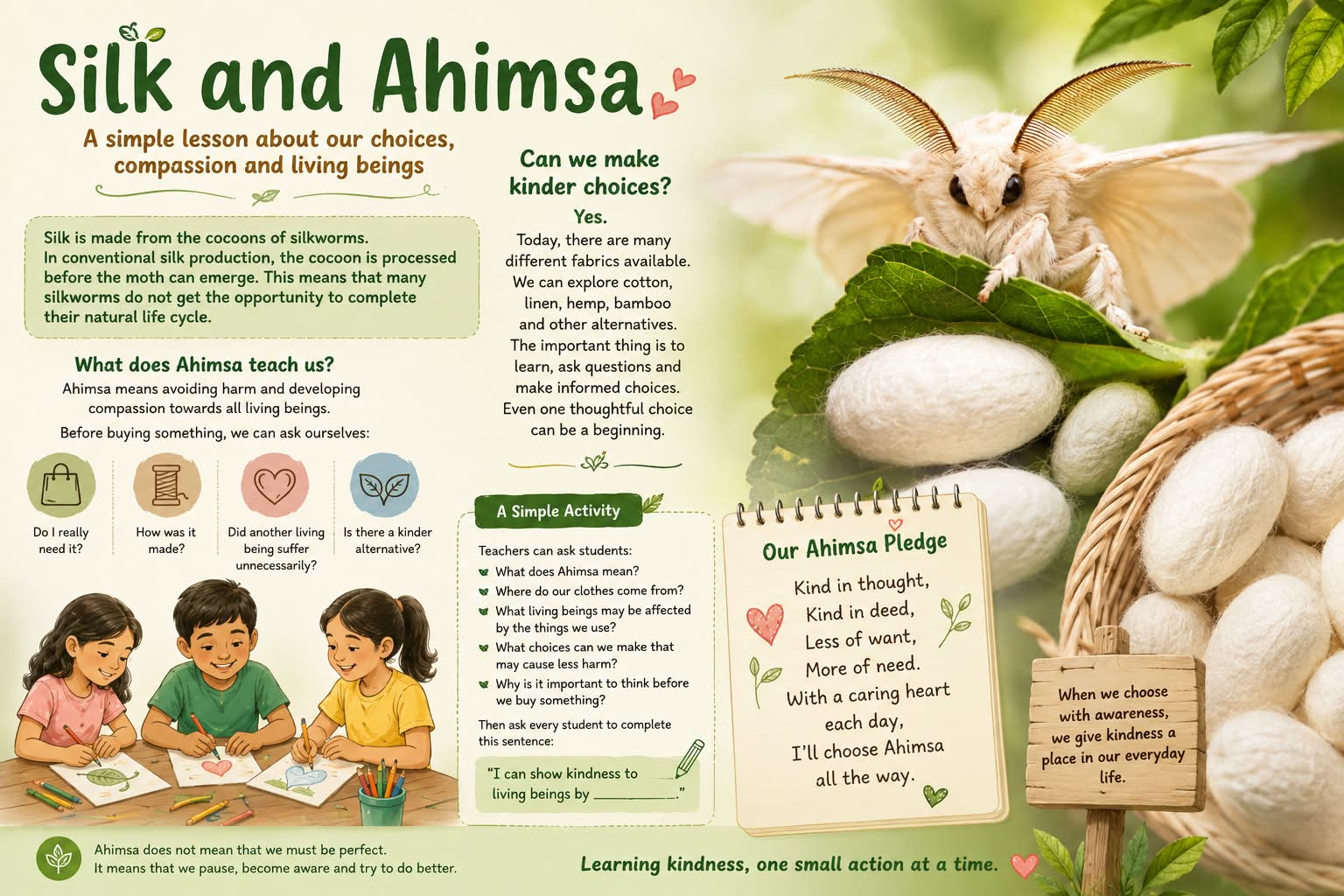
🕊️ Our Ahimsa Pledge
Kind in thought,
Kind in deed,
Less of want,
More of need.
With a caring heart each day,
I’ll choose Ahimsa all the way.
🌿 A Thought to Take Home
Ahimsa begins when we learn to look at the world from another living being’s point of view.
The next time we see a bird, let us not think, “How can I keep it?”
Let us think:
“How can I help it live freely?”
A bird’s song sounds most beautiful when it comes from a bird that is free.
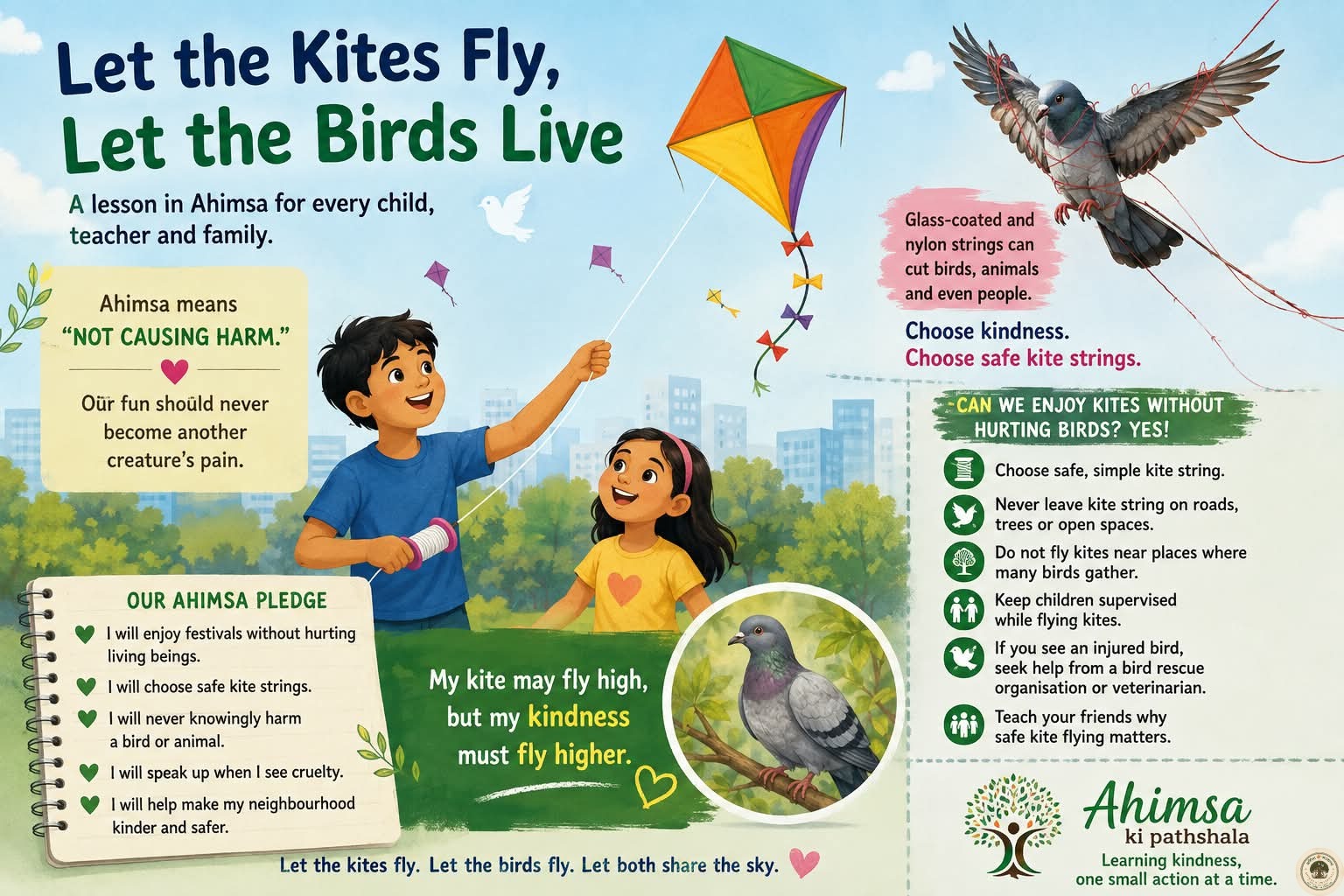
Let the birds fly.
Let the birds live.
Let us love without taking away their freedom.